

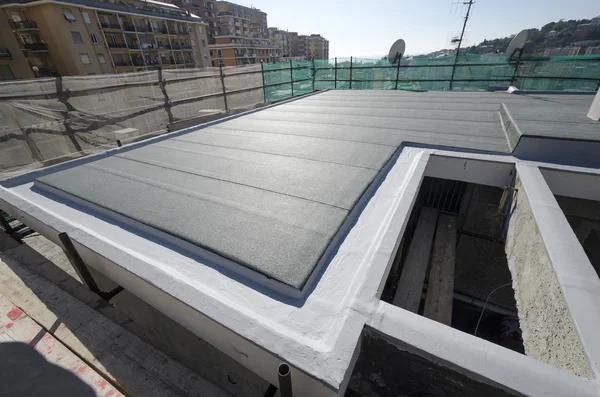
In recent years, the construction industry has witnessed remarkable advancements in waterproofing materials, providing architects, builders, and homeowners with innovative solutions to protect structures from water damage. These modern waterproofing materials not only enhance durability but also improve energy efficiency and sustainability. As we explore these cutting-edge options, it becomes evident why they should be considered for any contemporary building project.
One of the most significant developments in waterproofing is the advent of liquid-applied membranes. These versatile coatings are applied as a liquid and cure to form a seamless barrier that adheres tightly to surfaces. They are ideal for complex architectural designs where traditional sheet membranes might struggle to conform. Liquid-applied membranes offer excellent flexibility and can bridge cracks effectively, making them suitable for both new constructions and renovations.
Henrico waterproofing
Another noteworthy material is crystalline waterproofing technology. Unlike conventional methods that merely act as a physical barrier against water intrusion, crystalline products penetrate deep into concrete substrates. When exposed to moisture, they react chemically to form insoluble crystals within the concrete matrix, blocking water pathways permanently. This self-sealing capability ensures long-lasting protection even if minor cracks develop over time.
Polyurethane-based sealants have also gained popularity due to their exceptional elasticity and adhesion properties. These sealants are particularly useful mold remediation in Henrico NC areas prone to movement or vibration such as expansion joints and around windows or doors. Their ability to withstand extreme temperature fluctuations without losing integrity makes them an excellent choice for various climates.
For those seeking eco-friendly options, there are now green roof systems that incorporate advanced waterproofing layers beneath vegetation covers. These systems not only provide effective water management by retaining rainwater but also contribute significantly towards thermal insulation and urban biodiversity enhancement.
Capps Crawlspace and Construction
1953 River Rd Unit C, Henrico, NC 27842
252-308-2231