

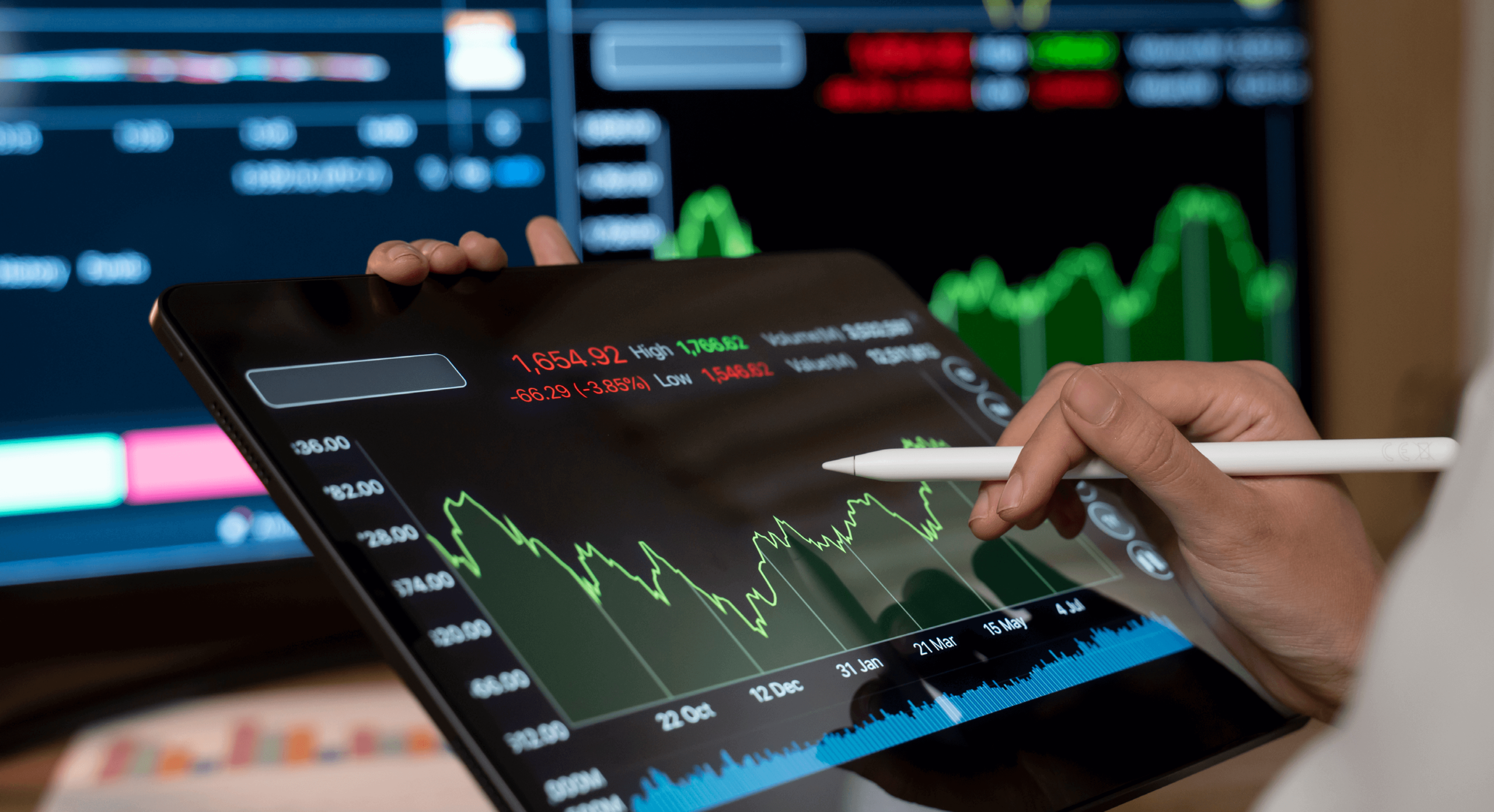
Stock prices change as buyers and sellers react to news, results and market events. An online platform helps you follow these changes and place trades from a phone or computer. Read the data before you place a trade. A clear process can help you connect market facts with your own goals.
Know What the Platform Does
An Online Trading App lets you send buy and sell orders through a broker. It may also show prices, charts, cash levels and news. The range of tools depends on the service you choose.
A Stock market App can help you track shares before you decide to invest. Use its data to study a business and check your holdings. News does not remove risk or mean that every market update calls for a trade.
Check the Broker and Account
For stock trades in India, verify that the broker is registered with SEBI. Check its details through official records, then use its official site to find the app. Read the account terms and charges before you sign up.
A trading account is used to buy and sell shares. A demat account holds them in electronic form, while a bank account handles payments. Follow the account opening steps and pass the required ID checks. Save copies of the forms and fee sheet to read later.
Learn to Read a Stock Quote
A stock quote can show the last traded price, the day’s price range and traded volume. The last price records a past trade. It does not promise that your next order will fill at that price.
Check the exchange and time stamp on the quote. Some data may be delayed. Volume shows how many shares changed hands in a set time. It can show the pace of trade, but it does not explain why a price moved or where it will go next.
Use News With Context
Start with the source and date of each report. Company filings on exchange sites can help you verify news about results, board meetings or business updates. Read the full filing when a headline leaves out key details.
For example, a report may state that sales rose while profit fell. Costs, tax or a one time item could help explain the gap. Check the figures and notes before you form a view. Use the same dates for each set of results and check whether the data covers the parent firm alone or the group.
Build a Focused Watchlist
Make a list of shares you want to study. Group them by sector or by the reason you are tracking them.
Set alerts for events or price levels you wish to review. An alert is a reminder to check facts, not an instruction to buy or sell. Review the list at set times and remove entries that no longer fit your plan.
Link Insights With Your Budget
Before placing an order, decide how much cash you can commit and how long you may hold the shares. Keep money for daily needs apart from funds set aside for stocks. Market losses can affect even a choice based on facts.
Avoid letting one news item set your whole plan. Review how a new stock would change your mix of holdings. Shares from one sector may face the same business risks. Spreading funds across assets can cut the risk tied to one holding, but it cannot prevent all losses.
Place and Review an Order
Select the share, exchange and quantity. Read the order type before you submit it. A limit order sets a price boundary, but it may not be filled. Check the funds needed and allow for charges.
For instance, eight shares at ₹250 each have a base cost of ₹2,000. Brokerage and other applicable charges can add to this amount. Review the full cost rather than the share price alone.
After sending the order, check its status. If it remains pending, do not assume the trade is complete. Read the contract note and trade records once the trade is done. Report any mismatch to the broker promptly.
Keep Records and Access Secure
Download statements and keep track of cash flows, fees and holdings. Use these records to review past choices and file your tax return. A gain shown on screen may not account for every charge or tax.
Use a unique password and never share login codes. Keep your contact details up to date and save the broker’s support details. Check account alerts for trades you do not recognise.
Conclusion
An online platform brings stock trades and market information together. Check the broker, read data in context and verify news at its source. With a budget, clear records and regular reviews, you can use these tools as part of a clear plan for stocks.