

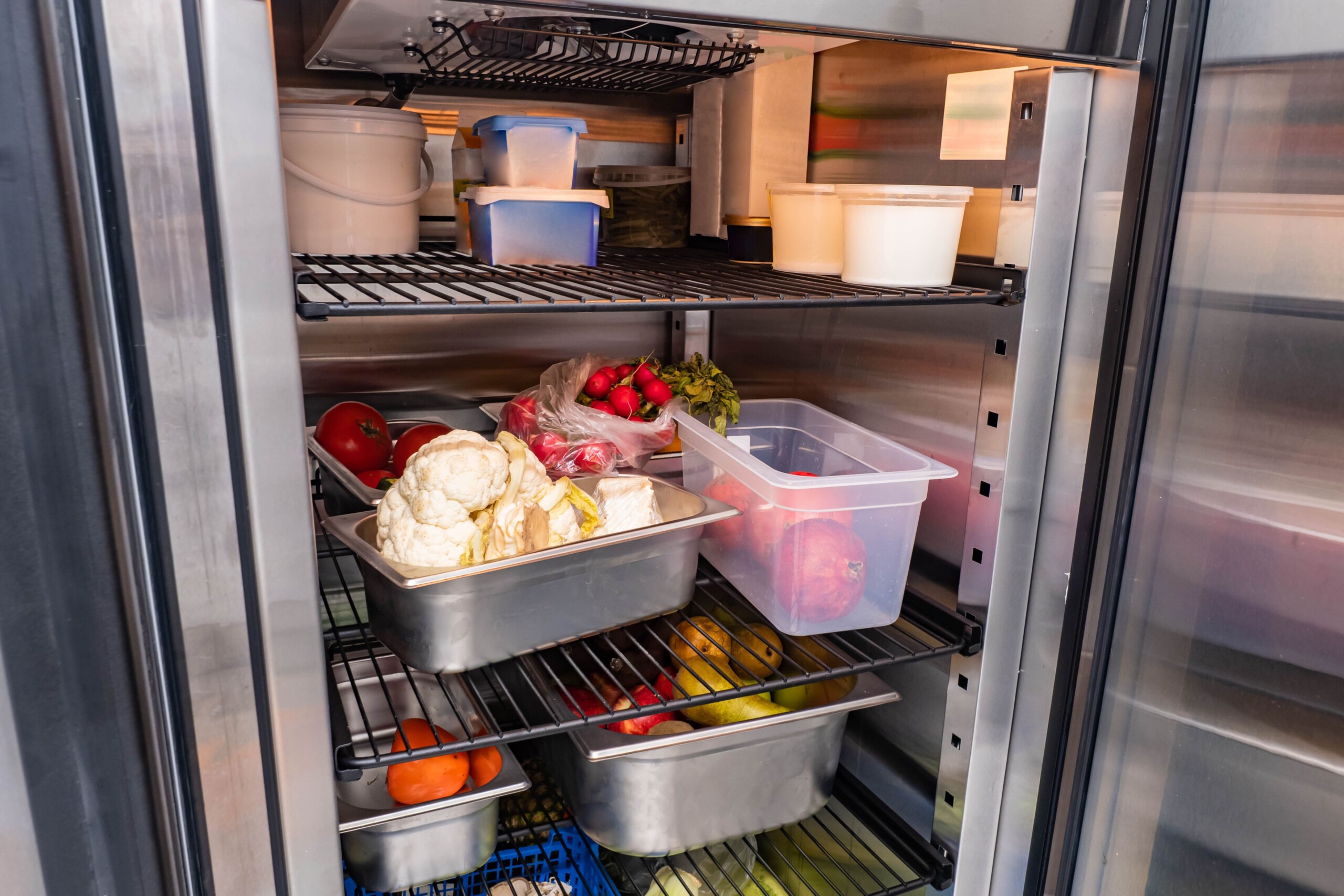
Installing commercial refrigeration systems is a critical task for businesses that rely on maintaining specific temperatures to preserve products and ensure safety. However, many companies make costly mistakes during the installation process that can lead to operational inefficiencies, increased expenses, and even equipment failure. One common error is selecting the wrong size or type of refrigeration unit for the business’s needs. Choosing an undersized system may result in inadequate cooling, forcing the equipment to work harder and consume more energy, while an oversized unit increases upfront costs and wastes electricity. Proper assessment of storage requirements and expected usage patterns is essential before making a purchase decision.
Another frequent mistake involves poor placement of refrigeration units within the premises. Installing units too close to heat sources such as ovens or direct sunlight can cause them to overheat, reducing their efficiency and lifespan. Additionally, insufficient ventilation around compressors restricts airflow necessary for heat dissipation, leading to higher operating temperatures and potential breakdowns. Businesses should carefully plan where refrigeration equipment will be installed by considering environmental factors that affect performance.
Improper electrical connections also contribute significantly to installation problems. Using incorrect wiring or failing to comply with local electrical codes not only poses safety hazards but may also cause frequent power interruptions or damage sensitive components in the refrigeration system. Engaging qualified electricians familiar with Commercial Refrigeration standards helps avoid these issues while ensuring reliable power supply.
Neglecting insulation quality during installation further exacerbates energy waste and temperature fluctuations inside refrigerated spaces. Poorly insulated doors, walls, or panels allow cold air to escape and warm air to enter continuously, forcing compressors into overdrive mode more often than necessary. Investing in high-quality insulation materials tailored for commercial refrigerators reduces strain on systems while maintaining consistent internal temperatures vital for product preservation.
Additionally, overlooking routine maintenance planning at the time of installation can increase long-term costs substantially. Without easy access points designed into the setup for cleaning coils or replacing filters regularly, technicians face challenges performing preventive care efficiently; this leads to accelerated wear-and-tear requiring expensive repairs down the line.
In conclusion, avoiding these common commercial refrigeration installation mistakes-such as improper sizing, poor placement near heat sources without adequate ventilation, faulty electrical work complying with regulations inadequately insulated structures-and neglecting maintenance considerations-helps businesses save money by enhancing system reliability and energy efficiency over time. Careful planning combined with professional expertise ensures that investments in commercial refrigeration deliver optimal performance without unnecessary financial burdens caused by preventable errors during initial setup stages.