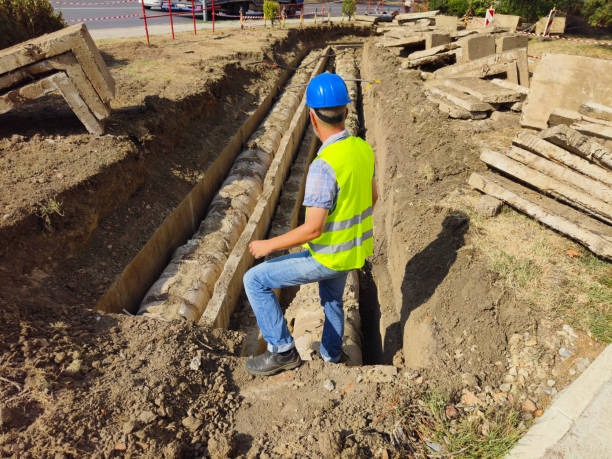
Construction and Excavation Safety Tips Every Worker Should Know
Construction and excavation are inherently hazardous activities that require meticulous attention to safety. Ensuring a safe work environment is paramount for protecting workers from potential injuries and fatalities. Here are some essential safety tips every worker should know to maintain a secure construction and excavation site.
First and foremost, personal protective equipment (PPE) is crucial. Workers must wear appropriate PPE such as hard hats, steel-toed boots, gloves, goggles, and high-visibility vests at all times. This gear acts as the first line of defense against physical hazards present on-site.
Next, proper training cannot be overstated. Every worker should receive comprehensive training tailored to their specific roles and responsibilities. Understanding how to operate machinery safely, recognizing hazard signs, and knowing emergency procedures can significantly reduce accidents.
Site assessment is another critical component of maintaining safety standards. Before commencing any project, conduct thorough inspections to identify potential dangers such as unstable ground or overhead power lines. Regular site audits throughout explore the possibilities further project help in promptly addressing new risks that may arise.
Communication plays a vital role in ensuring workplace safety. Establish clear communication channels among team members to facilitate quick dissemination of information regarding potential hazards or changes in site conditions. Utilizing hand signals or two-way radios can enhance communication effectiveness in noisy environments typical of construction sites.
Understanding the importance of trenching safety measures is crucial during excavation projects. Trenches pose significant risks due to cave-ins; hence they must be properly shored or sloped according to regulations before any worker enters them. Always have an exit strategy like ladders readily available within the trench for emergencies.
Machinery operation requires special attention due to its inherent dangers if mishandled. Only trained personnel should operate heavy equipment such as cranes and excavators, ensuring regular maintenance checks are conducted on all machinery before use each day.
Furthermore, workers should remain vigilant about their surroundings at all times—being aware of moving vehicles or falling debris can prevent many accidents on-site.