

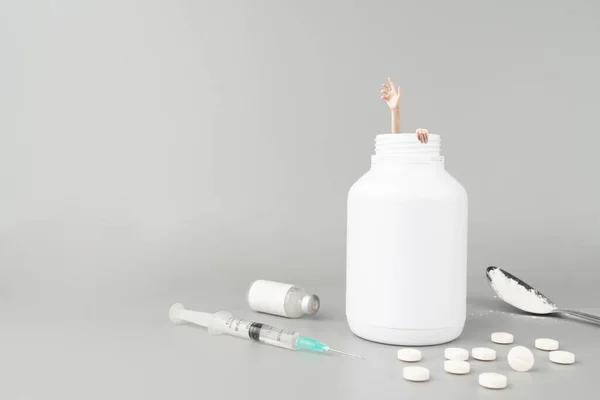
Choosing the right type of care is a crucial decision for individuals seeking help at a drug rehabilitation center. Two primary options are inpatient and outpatient care, each offering distinct approaches to treatment based on the severity of addiction, personal circumstances, and support systems available. Inpatient care involves residing at the facility for a specified period, typically ranging from 30 days to several months. This model provides intensive, round-the-clock supervision in a structured environment designed to minimize distractions and triggers that could lead to relapse. Patients benefit from constant medical monitoring, individual and group therapy sessions, as well as access to various holistic treatments such as exercise programs or mindfulness practices.
The immersive nature of inpatient programs allows patients to focus entirely on recovery without external pressures related to work or family responsibilities. This setting is particularly beneficial for those with severe addictions or co-occurring mental health disorders requiring close observation and immediate intervention if necessary. On the other hand, outpatient care offers more flexibility by allowing individuals to live at home while attending scheduled treatment sessions during the week. This option suits people with milder forms of addiction or those who have completed an inpatient program but need ongoing support during their transition back into everyday life.
Alcohol rehab
Outpatient programs vary widely in intensity; some involve daily visits while others meet less frequently but still provide essential counseling services and group therapy opportunities. The major advantage lies in maintaining regular routines such as employment or education while receiving professional guidance aimed at preventing relapse and promoting long-term sobriety. However, this approach demands strong self-discipline since patients must resist temptations outside the clinical setting without continuous supervision.
Both types of care emphasize evidence-based therapies tailored to individual needs including cognitive-behavioral therapy (CBT), motivational interviewing (MI), and sometimes medication-assisted treatment (MAT) when appropriate. Family involvement often plays a significant role regardless of the chosen modality because supportive relationships can enhance recovery outcomes considerably.
Deciding between inpatient versus outpatient rehabilitation depends on multiple factors including addiction severity, personal commitments, financial considerations, and availability of local resources. Consulting healthcare professionals helps determine which program aligns best with an individual’s unique situation ensuring safe detoxification if needed along with comprehensive psychological support throughout recovery.
Ultimately, success hinges not only on selecting suitable treatment but also on ongoing commitment after formal rehab concludes through continued counseling or participation in peer support groups like Narcotics Anonymous (NA). Whether opting for residential immersion or flexible outpatient attendance, effective drug rehabilitation center near me centers provide compassionate environments geared toward helping individuals reclaim control over their lives free from substance dependence.
Riverside Recovery of Tampa
4004 N Riverside Dr., Tampa, FL 33603
813-279-6900