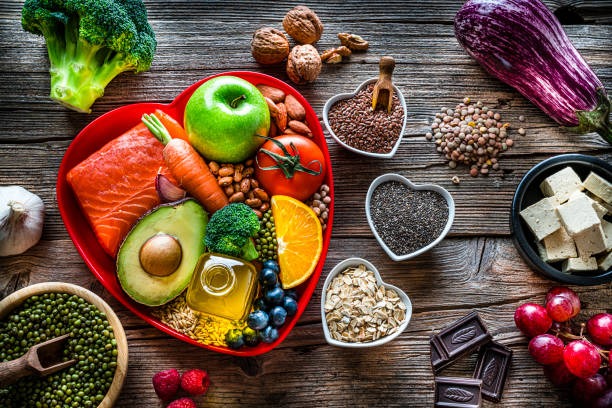
Foods That Improve Gut Health Over Time
Maintaining a healthy gut is essential for overall well-being, as it influences digestion, immunity, and even mental health. One of the most effective ways to support gut health over time is through diet. Certain foods contain nutrients and compounds that promote the growth of beneficial bacteria in the digestive system while reducing inflammation and improving nutrient absorption.
Fermented foods are among the most beneficial for gut health because they contain probiotics-live microorganisms that help balance the gut microbiome. Yogurt made with live cultures, kefir, sauerkraut, kimchi, miso, and tempeh are excellent sources of these friendly bacteria. Regular consumption of fermented foods can enhance microbial diversity in the intestines and improve digestion by aiding lactose breakdown or producing short-chain fatty acids that nourish colon cells.
Prebiotic-rich foods also play a crucial role in nurturing beneficial bacteria. Prebiotics are non-digestible fibers that serve as food for probiotics already present in the gut. Foods such as garlic, onions, leeks, asparagus, bananas (especially slightly green ones), chicory root, and Jerusalem artichokes contain high amounts of prebiotic fibers like inulin and fructooligosaccharides. Including these foods consistently helps stimulate bacterial growth that supports immune function and reduces inflammation.
Whole grains contribute significantly to gut health due to their fiber content. Unlike best kratom refined grains stripped of fiber during processing, whole grains provide both soluble and insoluble fibers which aid bowel regularity while feeding good microbes. Oats have beta-glucan fibers known to boost levels of beneficial bacteria such as Bifidobacteria. Brown rice and barley offer similar advantages by promoting microbial diversity.
Fruits rich in polyphenols further enhance gut flora balance by acting as antioxidants with anti-inflammatory properties. Berries like blueberries and raspberries contain flavonoids metabolized by intestinal microbes into compounds supporting barrier integrity within the digestive tract lining. Apples also provide pectin fiber along with polyphenols that encourage growth of Lactobacillus species.
Vegetables high in fiber content should not be overlooked when aiming for improved gastrointestinal function over time. Cruciferous vegetables including broccoli, Brussels sprouts, cauliflower, kale provide glucosinolates which may modulate microbiota composition favorably while supplying vitamins necessary for mucosal repair.
Incorporating nuts such as almonds or walnuts contributes healthy fats alongside fermentable fibers which foster probiotic activity; this combination promotes reduced inflammation within intestinal tissues.
Hydration complements dietary choices since water facilitates smooth transit through intestines preventing constipation-a condition detrimental to microbial equilibrium if persistent.