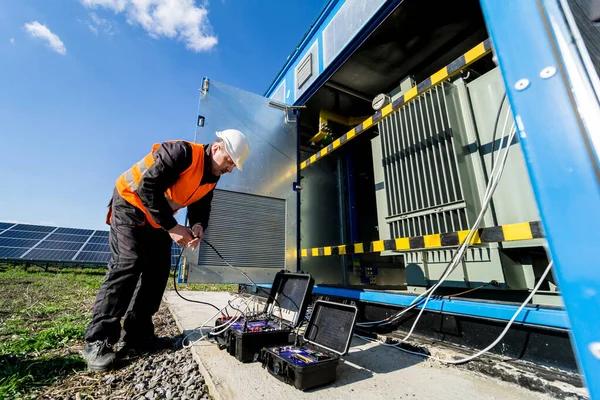
Government Subsidies for Household Solar Panels Explained
Government subsidies for household solar panels have become an essential component in the global push towards renewable energy. These financial incentives aim to make solar power more accessible and affordable for homeowners, thereby accelerating the transition from fossil fuels to clean energy sources. By understanding how these subsidies work, homeowners can better navigate their options and contribute to a more sustainable future.
Subsidies come in various forms, including tax credits, rebates, grants, and performance-based incentives. One of the most common types is the investment tax credit (ITC), which allows homeowners to deduct a portion of their solar installation costs from their federal taxes. In the United States, click here for more info example, homeowners could claim up to 26% of their installation costs as a tax credit through 2022. This percentage will gradually decrease over time unless further legislative action is taken.
household solar panels
Rebates are another popular form of subsidy provided by state or local governments and utility companies. These rebates offer direct cash payments or discounts on solar panel installations. The availability and amount of these rebates vary significantly depending on geographic location and local policies but can substantially reduce upfront costs for consumers.
Grants are less common than other types of subsidies but still play an important role in promoting residential solar adoption. Typically offered by government agencies or nonprofit organizations, grants provide funding that does not need to be repaid. They often target specific demographics such as low-income households or regions with high potential for solar energy generation.
Performance-based incentives reward homeowners based on the actual electricity generated by their solar systems rather than providing assistance upfront during installation. Net metering programs allow homeowners to sell excess electricity back to the grid at retail rates, effectively reducing monthly utility bills while encouraging efficient energy production.
The benefits of government subsidies extend beyond individual savings; they also stimulate economic growth by creating jobs within the renewable energy sector and reducing dependence on imported fossil fuels. Furthermore, increased adoption of household solar panels helps lower greenhouse gas emissions contributing positively towards combating climate change.
However, navigating available subsidy programs requires careful research due diligence since eligibility criteria differ widely among jurisdictions along with application processes varying greatly across different regions making it crucially important seeking professional guidance when considering installing new systems ensuring maximum benefit realization possible under current regulations applicable locally where you reside today!
In conclusion: Government subsidies represent invaluable tools facilitating widespread use domestic photovoltaic technology empowering individuals participate collectively achieving broader environmental goals society faces now tomorrow alike! With thoughtful planning informed decision-making every homeowner stand chance benefiting financially environmentally embracing cleaner greener lifestyle awaits them ahead!
Green Wave Solar
231 W Rutherford Blvd, Murfreesboro, TN 37130
615-237-1737